
Lars Bauer · 9 October 2026
Adaptive Strategies for Maintaining Cohesion in Self-Built Web Architectures
Self-built web architectures often expand through incremental additions, and observers note that cohesion erodes when separate sections drift in structure, data handling, or presentation logic. Research from academic institutions indicates that independent developers who apply targeted adaptation techniques sustain consistency longer than those relying solely on initial design choices. Data collected across multiple developer surveys shows rising interest in these methods as personal sites grow into multifaceted platforms by late 2026.
Core Challenges in Independent Web Evolution
Independent builders encounter fragmentation when new features integrate with older codebases without shared conventions, and studies from research universities reveal that such drift frequently appears in navigation systems, styling rules, and backend data flows. Those who track project histories find that unaddressed inconsistencies compound over successive updates, leading to increased maintenance time and user navigation issues. Reports compiled by standards organizations highlight how early detection of these patterns supports continued functionality across evolving site sections.
Continuous Integration Practices for Unified Updates
Automated pipelines allow builders to test changes against the entire architecture before deployment, and evidence from industry reports demonstrates reduced breakage rates when these systems run on every code commit. Builders often combine version control repositories with staging environments that mirror production conditions, which helps preserve visual and functional alignment during additions. Figures from developer communities indicate wider adoption of lightweight CI tools among solo operators since 2025, particularly those that flag style or script conflicts automatically.
Monitoring Systems and Real-Time Adjustments
Performance and error tracking tools provide ongoing visibility into how components interact under real traffic, while researchers at technical institutes have documented improved cohesion when alerts trigger targeted reviews rather than full rewrites. Builders who set thresholds for load times, API response consistency, and cross-page element behavior catch divergences early. As of October 2026, several open analytics platforms report expanded use of custom dashboards that compare new feature metrics against baseline site performance, allowing precise interventions without disrupting overall flow.
Documentation Protocols That Support Long-Term Alignment
Structured records of design decisions, API contracts, and component dependencies help future updates respect existing patterns, and data from longitudinal studies shows measurable drops in refactoring effort when these records stay current. Builders frequently maintain lightweight wikis or inline code annotations that describe interaction points between modules, which reduces the risk of incompatible additions. Observers at standards bodies note that projects following regular documentation reviews maintain higher internal consistency scores over multi-year periods.
Adherence to External Standards for Structural Stability
Alignment with specifications from organizations such as the World Wide Web Consortium supplies common reference points for HTML, CSS, and accessibility requirements, and government agencies like NIST publish frameworks that guide secure data exchange practices across site layers. Independent developers who map their architectures against these references encounter fewer integration conflicts when incorporating third-party services or updating legacy sections. Evidence gathered by regional digital economy programs confirms that standards compliance correlates with sustained site interoperability across different hosting environments.
Refactoring Approaches That Preserve Overall Unity
Targeted refactoring sessions focus on isolated inconsistencies rather than broad overhauls, and case analyses from software engineering research indicate better retention of site cohesion when changes remain scoped to measurable problems. Builders schedule periodic audits that compare current component behavior against documented expectations, which surfaces drift before it affects multiple areas. Those who apply incremental adjustments alongside automated test suites report steadier performance metrics through successive iterations.
Conclusion
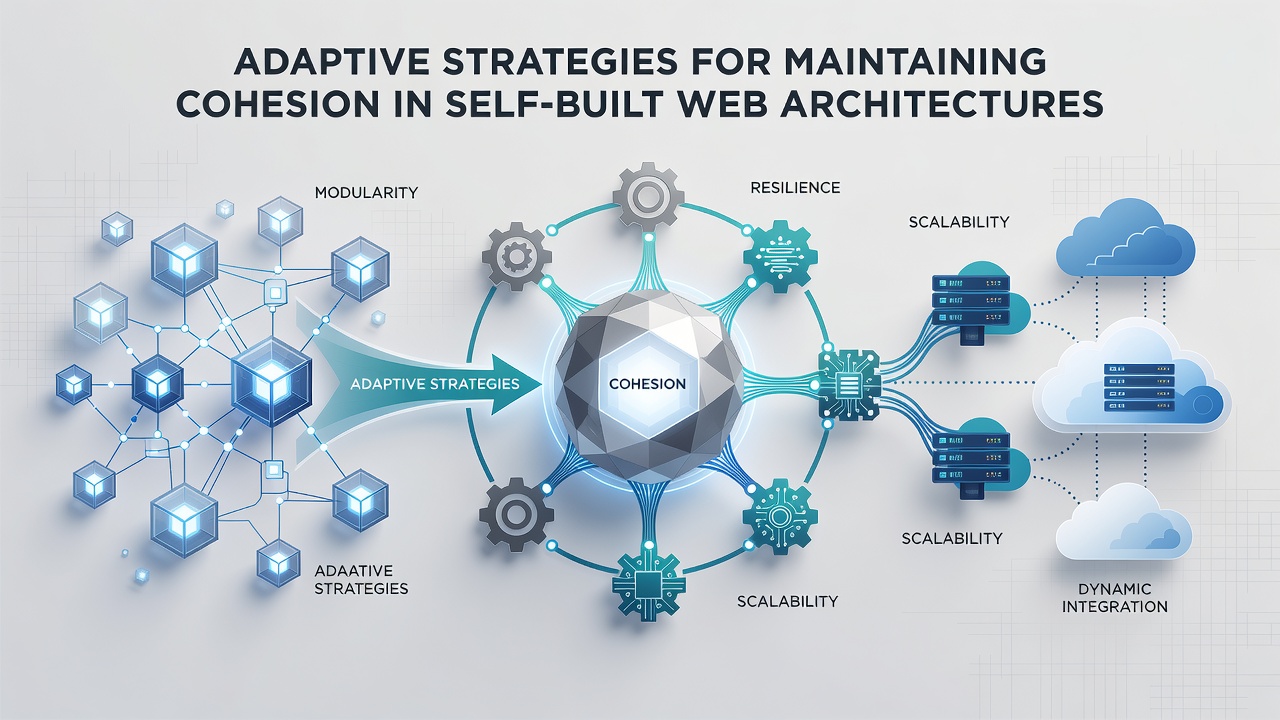
Adaptive strategies centered on integration pipelines, monitoring feedback, documentation discipline, and standards alignment enable sustained cohesion in self-built web architectures, and available data shows these approaches scale effectively as sites expand. Builders who implement combinations of the outlined techniques continue to maintain functional and visual unity across evolving components without requiring complete rebuilds. Ongoing reports from technical and regulatory sources suggest these practices will remain central to independent web development through subsequent years.