Hugo Schmitt · 25 September 2026
Component Synchronization Methods for Maintaining Performance Across Evolving Solo Digital Builds
Component synchronization methods enable independent developers to keep modular elements aligned in personal digital projects while performance stays consistent even as builds expand over time. Researchers discovered that these techniques rely on coordinated data exchange between isolated parts such as scripts, styles, and data layers, and observers note the approach supports gradual evolution without requiring complete rebuilds each time new features appear.
Core Synchronization Approaches in Solo Environments
Event-driven models stand out because they trigger updates only when specific conditions change, which reduces unnecessary processing cycles across solo digital builds. Data shows that developers using pub-sub patterns achieve lower latency since components subscribe to relevant signals rather than polling constantly, and this method scales naturally when a single maintainer adds new modules in September 2026. State management libraries further assist by centralizing shared values so every connected element reflects the latest state without manual intervention.
API-based synchronization provides another pathway where components request or receive updates through structured endpoints, and figures reveal this works particularly well for remote data sources that evolve independently. Experts observe that REST or GraphQL calls allow solo builds to stay current while avoiding tight coupling, whereas message queues handle asynchronous flows when network conditions vary. Those who studied deployment logs found that combining these approaches with local caching layers prevents redundant network traffic and maintains responsiveness during peak usage periods.
Performance Metrics and Measurement Practices
Performance tracking begins with baseline measurements of load times, memory usage, and render frequency before synchronization layers activate. Studies indicate that monitoring tools capture delta changes after each sync cycle, which helps identify bottlenecks early in the development process. People who track these metrics over multiple iterations report that synchronization overhead remains minimal when batching updates and prioritizing critical components first.
Real-time diagnostics integrated directly into builds allow immediate visibility into sync conflicts or delays, and data from September 2026 shows increased use of browser-native APIs for this purpose. Observers note that such integration reduces reliance on external services while preserving the lightweight nature of solo platforms. According to W3C documentation on web components, standardized interfaces facilitate cleaner synchronization across custom elements without introducing heavy dependencies.
Handling Evolution in Long-Running Projects
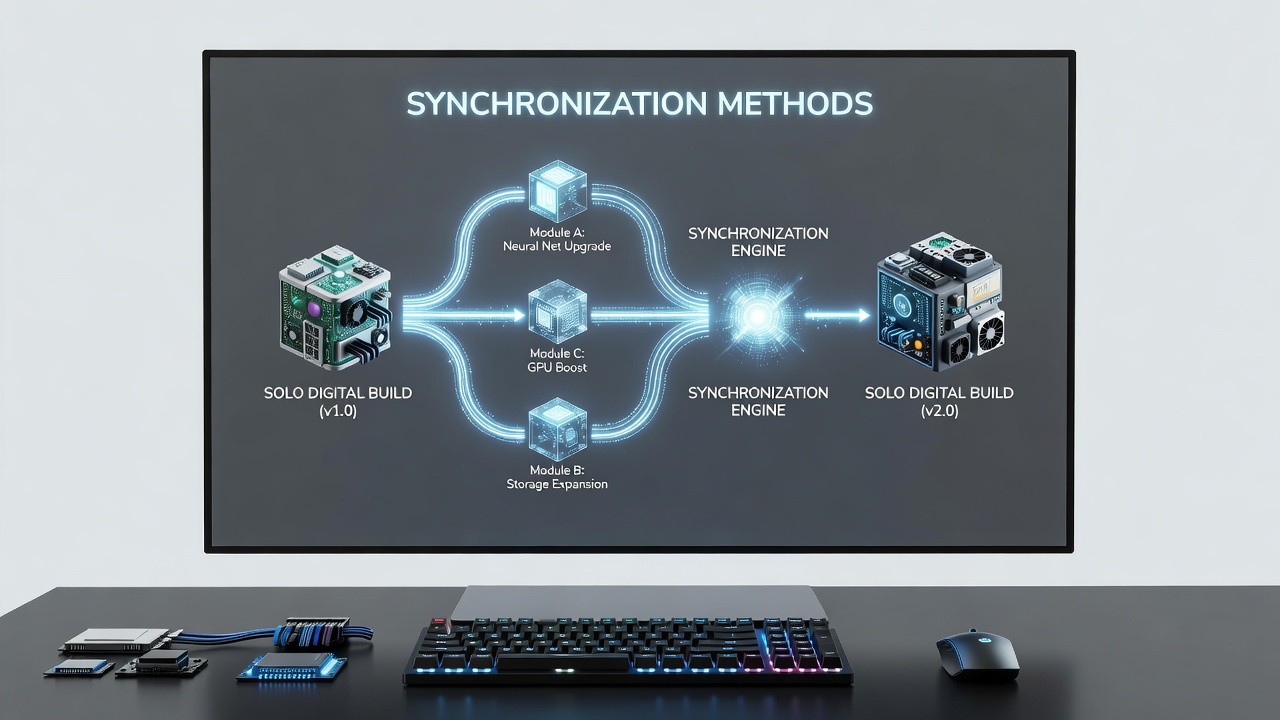
As solo digital builds accumulate features, version control for individual components becomes essential to prevent drift between synchronized parts. Researchers discovered that semantic versioning paired with automated diff checks keeps dependencies aligned, and this practice proves effective when a single developer returns to a project after extended breaks. Conflict resolution strategies, such as last-write-wins or merge queues, address simultaneous updates that might otherwise cause inconsistent states.
Incremental migration techniques allow older synchronization logic to coexist with newer methods during transition periods, which minimizes disruption. Evidence suggests that feature flags enable controlled rollouts so performance impacts can be measured before full adoption. Those who examined case studies from academic repositories found that gradual synchronization upgrades maintained stability across platforms that grew from simple scripts to complex single-page applications over several years.
Security considerations enter the picture because synchronized components often exchange sensitive configuration data. Industry reports from the European Union Agency for Cybersecurity highlight encryption and token validation as standard safeguards during data transit between modules. Solo builders incorporate these measures early to avoid retrofitting later when builds have already expanded significantly.
Conclusion
Component synchronization methods continue to evolve alongside solo digital builds by offering structured ways to maintain alignment and performance. Data indicates that combining event-driven patterns, API endpoints, and rigorous measurement creates resilient systems capable of handling ongoing changes. Observers note that developers who apply these techniques systematically achieve consistent results across projects that expand without proportional increases in maintenance effort.